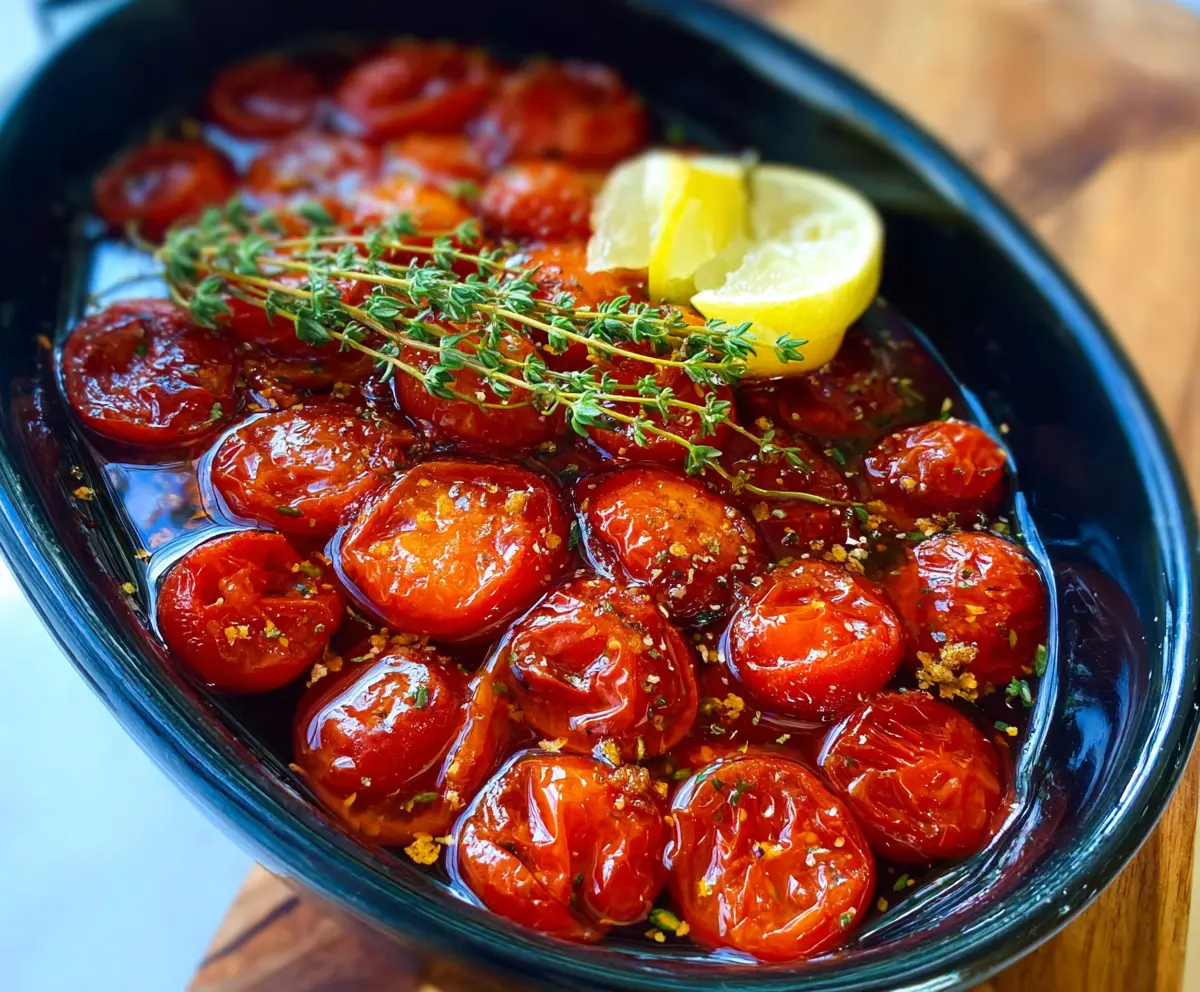
Unlock Flavor: The Versatility of Homemade Tomato Confit
Imagine tender, juicy tomatoes, bursting with concentrated sweetness, infused with aromatic garlic and fragrant herbs, all bathed in a luscious, golden olive oil. This isn't just a dream; it's the culinary magic of tomato confit. If you've ever wondered
how to make tomato confit, prepare to discover one of the simplest yet most rewarding techniques in home cooking. This classic French method, traditionally used for preserving meats, translates beautifully to vegetables, transforming humble tomatoes into an extraordinary pantry staple that elevates almost any dish.
Whether you're blessed with a bumper crop from your garden, like many who've discovered the joy of growing their own food, or simply picking up a bounty of vibrant cherry tomatoes from your local farmers market, learning to make tomato confit is a game-changer. It’s a process that demands minimal hands-on time, letting your oven do most of the work to create jammy, melt-in-your-mouth bites that are as delicious as they are versatile.
What Exactly is Tomato Confit? A Taste of French Tradition
The term "confit" (pronounced con-fee) originates from the French verb *confire*, meaning "to preserve." Historically, it referred to a method of slow-cooking food, often meat like duck, in its own fat to extend its shelf life without refrigeration. While modern refrigeration makes preservation less critical, the technique endures for its incredible ability to intensify flavor and create luxuriously tender textures.
When applied to tomatoes, confit involves slow-roasting them in a generous bath of extra virgin olive oil, typically at a low temperature. This gentle heat coaxing allows the tomatoes' natural sugars to caramelize and their flavors to concentrate, resulting in a product that is sweet, slightly tangy, and deeply savory. The beauty lies not only in the transformed tomatoes but also in the incredibly flavorful, infused olive oil that remains. This oil, rich with tomato essence, garlic, and herbs, is a culinary treasure in itself, perfect for drizzling, dipping, or cooking. For a deeper dive into this fascinating preservation method, explore
Confit Tomatoes: French Preservation Made Simple.
Why Make Your Own Tomato Confit? The Benefits Beyond Taste
The allure of homemade tomato confit extends far beyond its exquisite flavor. Embracing this simple technique offers a multitude of benefits for any home cook:
*
Unparalleled Flavor: Slow roasting concentrates the natural sweetness of tomatoes, yielding an intensity you simply can't achieve with raw or quickly cooked tomatoes. The infusion of garlic and herbs creates a complex, irresistible profile.
*
Versatility in the Kitchen: Once you have a jar of this golden goodness, the possibilities are endless. From simple toasts to gourmet pasta dishes, it adds a touch of elegance and depth.
*
Extended Shelf Life: Submerging the slow-cooked tomatoes in the infused olive oil acts as a natural preservative, allowing you to store your confit in the refrigerator for up to two weeks, sometimes even longer if properly sealed and submerged.
*
Cost-Effective: Turn an abundance of seasonal or slightly overripe tomatoes into a gourmet ingredient, preventing waste and saving money compared to buying specialty jarred products.
*
Therapeutic Process: There’s something inherently comforting and satisfying about the slow-cooking process. The aromas filling your kitchen are pure bliss, and the act of transforming simple ingredients into something extraordinary can be a wonderful, mindful experience.
*
Control Over Ingredients: Making it at home means you choose the quality of your tomatoes, olive oil, and seasonings, ensuring a pure, additive-free product tailored to your taste.
The beauty of learning
how to make tomato confit lies in its simplicity and the remarkable return on your minimal effort.
Mastering the Art: How to Make Tomato Confit at Home
Let's dive into the specifics of
how to make tomato confit. You'll be surprised at how straightforward it is to achieve this gourmet delight in your own kitchen.
Ingredients for Irresistible Confit
The secret to truly spectacular tomato confit lies in starting with quality ingredients.
*
Tomatoes: While cherry or grape tomatoes are ideal due to their thin skins and high flesh-to-seed ratio, don't limit yourself! Small plum tomatoes, yellow pear tomatoes, or a colorful mix will also work beautifully. Aim for ripe, flavorful, seasonal tomatoes. A trip to your local farmers market often yields the best results.
*
Extra Virgin Olive Oil: This is not the time to skimp. Use a high-quality, organic extra virgin olive oil. It's not just a cooking medium; it's a key flavor component and the primary preservative. Its fruity, peppery notes will significantly enhance the overall taste.
*
Garlic: Whole, fat cloves of garlic, gently smashed, are preferred. As they slow cook, their pungent bite mellows into a sweet, caramelized, almost nutty flavor that is utterly divine.
*
Salt and Black Pepper: Simple seasonings are all that's needed to enhance the tomatoes' natural sweetness. Kosher salt is recommended for its pure flavor and texture.
*
Fresh Herbs (Optional but Recommended): Fresh thyme sprigs are classic, lending an earthy, aromatic note. Rosemary or even bay leaves can offer different fragrant profiles. Fresh basil, added *after* cooking, brightens the confit with its delicate, sweet aroma.
*
Balsamic Vinegar (Optional): A splash of good quality balsamic vinegar, added at the end, can provide a delightful tang that balances the sweetness of the tomatoes.
Step-by-Step Guide to Perfection
This oven-baked method is incredibly forgiving and yields fantastic results every time. For an even more detailed guide on the oven method, check out
Easy Oven-Baked Tomato Confit: A Simple Guide.
1.
Preheat Your Oven: Set your oven to a gentle 350°F (175°C). This moderate temperature is key to slowly cooking and caramelizing, rather than roasting, the tomatoes.
2.
Prepare the Dish: In a 9x13 inch baking dish, an 11-inch braiser, or any oven-proof skillet or shallow dish, arrange your washed tomatoes and smashed garlic cloves in a single layer. Don't overcrowd the dish; give the tomatoes some space to breathe and cook evenly.
3.
Add Oil and Seasonings: Pour enough extra virgin olive oil over the tomatoes to generously coat them. A good rule of thumb is about 1/4 cup if you plan to serve immediately, or 1/2 cup or more if you intend to preserve them in a jar (you'll want enough oil to cover them completely for storage). Tuck in a few sprigs of fresh thyme (or your chosen herb), then sprinkle generously with kosher salt and freshly cracked black pepper.
4.
Bake: Cover the dish tightly with a lid or aluminum foil. This initial covering helps steam the tomatoes gently, softening them before they begin to truly confit. Bake for 60 minutes. About halfway through, give the dish a gentle shake to redistribute the oil and tomatoes.
5.
Uncover and Finish: After 60 minutes, the tomatoes should have softened and collapsed slightly, and the garlic should be fragrant and tender. If you desire more caramelization on the tomatoes and garlic, remove the lid or foil and continue to roast uncovered for another 10-15 minutes, watching carefully to prevent burning.
6.
Cool and Embellish: Carefully remove the dish from the oven and let it cool for about 10 minutes. This allows the flavors to meld and the tomatoes to settle. At this point, stir in fresh basil leaves if using, and a drizzle of balsamic vinegar for a touch of acidity.
7.
Taste and Adjust: Taste a tomato (once it's cool enough not to burn your tongue!) and adjust for salt and pepper as needed. Sometimes a little extra salt can really make the flavors pop.
Tips for the Perfect Batch
*
Don't Overcrowd: Give your tomatoes space in the baking dish. If they're too packed, they'll steam rather than confit, resulting in a less intense flavor. Use two dishes if necessary.
*
Embrace the Oil: The ample olive oil is crucial. It's the cooking medium, the flavor infuser, and the preservative. Don't skimp!
*
Listen to Your Tomatoes: Cooking times can vary slightly depending on the size and moisture content of your tomatoes. Look for them to be collapsed, jammy, and slightly shriveled – these are signs of perfection.
*
Variations: Experiment with different herbs like oregano, a pinch of red pepper flakes for heat, or even a thinly sliced shallot alongside the garlic for added depth.
Unleash the Flavor: Creative Ways to Use Your Tomato Confit
Once you've mastered
how to make tomato confit, your culinary world will expand. The uses for this flavorful ingredient are virtually endless:
*
Bruschetta & Crostini: Spoon it over toasted bread with a dollop of fresh ricotta or goat cheese.
*
Pasta Perfection: Toss with freshly cooked pasta, a sprinkle of Parmesan, and a generous drizzle of the infused oil for a simple yet gourmet meal.
*
Egg Dishes: Elevate scrambled eggs, omelets, or frittatas with a spoonful of confit.
*
Pizza & Flatbreads: Use as a vibrant topping instead of traditional tomato sauce.
*
Salad Booster: Add to green salads, grain bowls, or even potato salad for bursts of flavor.
*
Sandwiches & Wraps: Spread on sandwiches, paninis, or wraps for an instant upgrade.
*
Grilled Meats & Fish: Serve alongside pan-seared fish, grilled chicken, or steak.
*
Creamy Polenta or Risotto: Stir into creamy polenta or risotto for a rich, savory depth.
*
Dipping Oil: The infused olive oil alone is incredible for dipping crusty bread.
*
Cheese Boards: A delicious accompaniment to artisanal cheeses and charcuterie.
Storing Your Golden Treasure
Proper storage is key to enjoying your homemade tomato confit for longer. Once cooled, transfer the confit (tomatoes, garlic, and all the glorious infused oil) into a clean, airtight container or jar. The most crucial step for preservation is to ensure the tomatoes are completely submerged under the olive oil. Push them down gently if needed, adding a little extra olive oil if required to create a protective barrier against air.
Stored this way, your tomato confit will keep beautifully in the refrigerator for up to 2 weeks. Always use a clean spoon when serving to prevent contamination. For longer storage, you can freeze tomato confit in small portions (without the liquid) for several months.
Conclusion
Learning
how to make tomato confit is an invaluable addition to any home cook's repertoire. It's a testament to how simple ingredients, combined with a little patience and a traditional technique, can yield something truly extraordinary. From a humble basket of cherry tomatoes, you can create a versatile, intensely flavorful ingredient that will transform countless meals, impress your guests, and bring a touch of gourmet elegance to your everyday cooking. So, gather your ingredients, fire up your oven, and prepare to unlock a world of flavor with your very own homemade tomato confit.