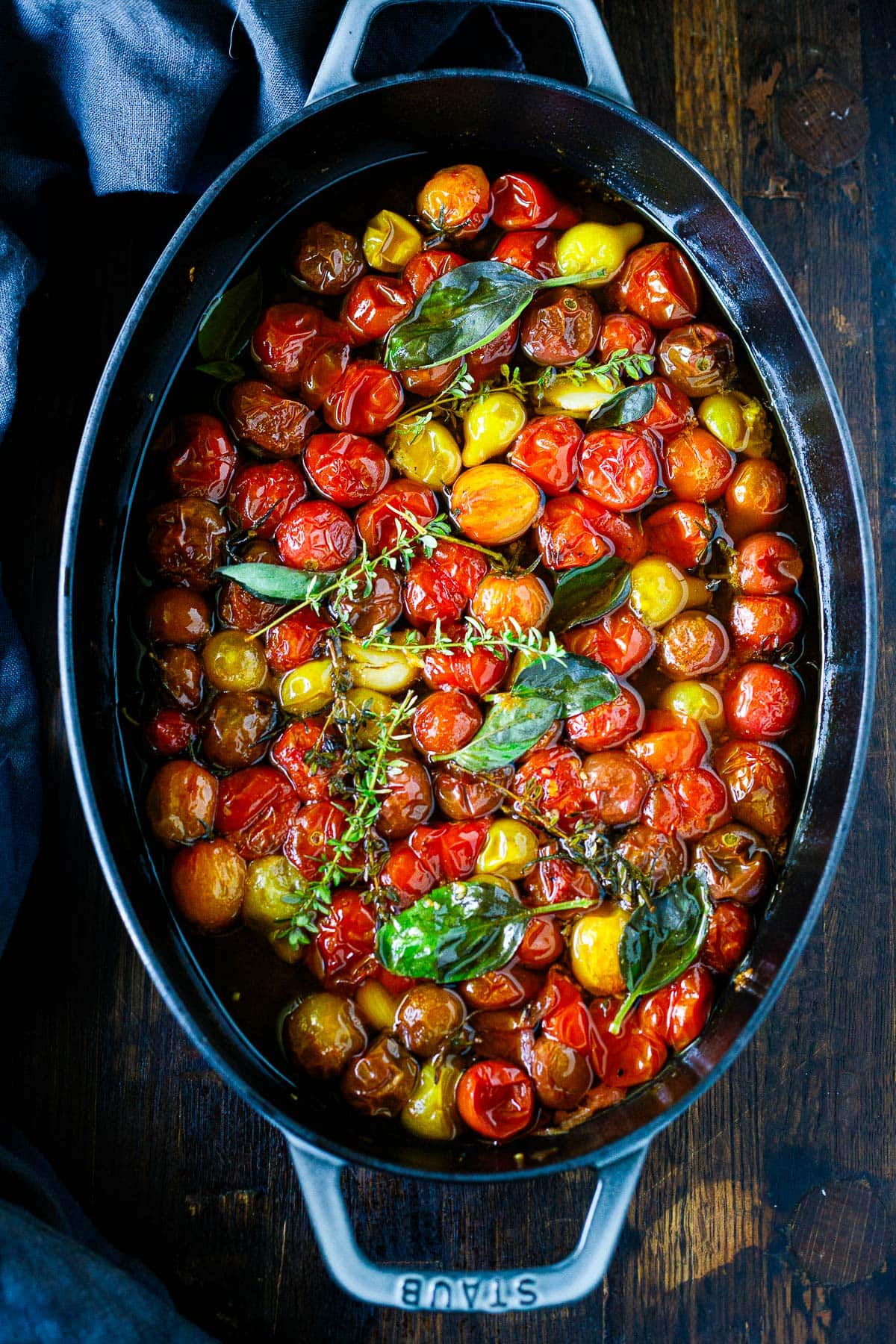
Imagine small, ripe tomatoes, bursting with natural sweetness, transformed into tender, jammy jewels, bathed in fragrant olive oil infused with garlic and herbs. This isn't a complex culinary feat reserved for Michelin-starred chefs; it's the accessible magic of confit tomatoes. A classic French preservation technique, confit might sound intimidating, but when applied to humble tomatoes, it becomes one of the simplest yet most rewarding cooking methods you can master. It's an effortless way to elevate everyday meals and capture the fleeting taste of summer, making it a must-try for anyone wondering how to make tomato confit.
Embracing the Art of Confit: A French Culinary Secret Made Accessible
The term "confit" (pronounced con-fee) hails from French culinary tradition, originally meaning "to preserve." Historically, it referred to meat, most famously duck, slow-cooked and preserved in its own fat. However, this brilliant technique isn't limited to poultry. It translates beautifully to vegetables, especially those like garlic, shallots, and of course, tomatoes.
The essence of confit lies in slow cooking at a low temperature, typically submerged in fat or oil. For tomatoes, this gentle, extended heat performs wonders. It gradually breaks down their cell walls, releasing and concentrating their natural sugars. The result is an intense, almost caramelized sweetness and a meltingly tender texture that's far beyond what simple roasting can achieve. Moreover, the tomatoes are preserved in a luscious, herb-infused extra virgin olive oil, which becomes a valuable condiment in itself – perfect for drizzling over countless dishes, offering an instant flavor boost.
This process not only intensifies the natural flavors but also extends the shelf life of your tomatoes, allowing you to savor their peak deliciousness long after the harvest season has passed. It’s a testament to the power of traditional preservation reimagined for the modern home cook.
Gathering Your Essentials: Ingredients for Perfect Tomato Confit
One of the beauties of tomato confit is its reliance on just a few high-quality ingredients. Each plays a crucial role in building the rich, nuanced flavor profile.
The Star: Selecting Your Tomatoes
While often associated with cherry tomatoes due to their ideal size and quick cooking time, confit is wonderfully forgiving. You can use:
- Cherry Tomatoes: The classic choice, offering concentrated sweetness and a delightful pop.
- Grape Tomatoes: Similar to cherry tomatoes, often slightly oval, with a firm texture.
- Plum Tomatoes (e.g., Roma): Halved or quartered, these yield a meatier, less watery confit.
- Yellow Pear Tomatoes: For a touch of color and a milder, sweeter flavor.
- Mixed Varieties: A medley of colors and shapes makes for a visually stunning and flavor-diverse confit.
The key, regardless of variety, is to choose seasonal and local tomatoes whenever possible. Visit your local farmers market for the freshest, ripest specimens – they will be bursting with the natural sweetness essential for a truly outstanding confit. Look for firm, unblemished tomatoes that feel heavy for their size and have a vibrant color.
The Golden Elixir: Choosing Your Olive Oil
Because the olive oil serves as both the cooking medium and the preservative, its quality is paramount. Invest in a high-quality, organic extra virgin olive oil. A robust, fruity EVOO will infuse the tomatoes with its character and, in turn, become deeply flavored by the tomatoes, garlic, and herbs. This infused oil is so precious that many consider it as valuable as the confit tomatoes themselves. Avoid cheap, highly refined oils, as they lack the flavor and health benefits that make confit truly special.
Aromatic Companions: Garlic and Herbs
- Fat Garlic Cloves: Smashed (not finely minced) garlic cloves are essential. As they slowly cook in the oil, they become incredibly sweet, tender, and caramelized, infusing the entire dish with a mellow, savory depth.
- Fresh Thyme Sprigs: Thyme is a traditional and highly recommended herb for confit, offering an earthy, slightly floral note. Fresh rosemary or oregano sprigs also work beautifully as alternatives or additions.
- Fresh Basil Leaves: Delicate and aromatic, basil is best added after the confit has cooled slightly, preserving its vibrant flavor and color.
For an extra kick, consider adding a pinch of red pepper flakes for subtle heat, or a bay leaf for an earthy undertone. A splash of balsamic vinegar towards the end can also introduce a delightful tanginess.
Simple Seasoning: Salt and Pepper
A generous sprinkle of kosher salt and freshly cracked black pepper is all you need. These simple seasonings enhance the tomatoes' natural sweetness and balance the rich flavors of the oil and aromatics. Don't be shy with the salt; it's crucial for drawing out moisture and intensifying flavor.
How to Make Tomato Confit: Your Step-by-Step Guide to Culinary Bliss
Mastering this classic French method is surprisingly straightforward. With minimal hands-on time, your oven does most of the heavy lifting. If you're looking for a more detailed guide, consider exploring Easy Oven-Baked Tomato Confit: A Simple Guide.
Prep: The Foundation for Flavor
- Preheat your oven: Set it to 350°F (175°C).
- Arrange your ingredients: In an oven-safe dish – a 9x13 inch baking dish, an 11-inch braiser, or a deep oven-proof skillet – gently arrange your chosen tomatoes and smashed garlic cloves in a single layer. Don't overcrowd the dish; this ensures even cooking and caramelization.
The Slow Roast: Oven Magic Unfolds
- Add the oil and seasoning: Pour high-quality extra virgin olive oil over the tomatoes. The amount depends on your intention:
- For immediate serving: Use about 1/4 cup of olive oil.
- For preserving: Use 1/2 cup or more, ensuring there will be enough oil to fully cover the tomatoes when stored in a jar.
- Bake to perfection: Cover the dish tightly with a lid or aluminum foil. This initial covering helps to steam the tomatoes gently, softening them before they start to caramelize. Bake for 60 minutes. Halfway through (around 30 minutes), give the dish a gentle shake to redistribute the oil and ensure even cooking.
- Caramelization (optional): After 60 minutes, the tomatoes should have collapsed slightly, and the garlic should be tender and lightly golden. If you desire deeper caramelization and more concentrated flavor, remove the lid or foil and roast uncovered for an additional 10-15 minutes, keeping a close eye to prevent burning.
The Finishing Touches: Cooling and Flavor Infusion
- Cool and enhance: Carefully remove the dish from the oven and let it cool for at least 10 minutes. This allows the flavors to meld further. Once slightly cooled, stir in your fresh basil leaves (if using). Adding them at this stage preserves their vibrant color and delicate aroma.
- Taste and adjust: Taste a confit tomato along with some of the infused oil. Adjust for salt and pepper as needed. For a hint of acidity, you can drizzle a touch of good quality balsamic vinegar over the warm confit before serving.
Beyond the Recipe: Tips for Storing and Enjoying Your Confit Tomatoes
The beauty of homemade tomato confit extends far beyond the initial enjoyment. It offers both delicious versatility and practical preservation.
Preservation Perfection: Storing Your Batch
If you've made a larger batch for preservation, ensure your confit is stored correctly:
- Transfer to a clean jar: Spoon the cooled confit tomatoes and all of their precious infused oil into a clean, airtight glass jar.
- Ensure full coverage: This is critical for preservation. Gently press the tomatoes down, ensuring they are fully submerged under the olive oil. Any tomatoes exposed to air can spoil faster. Add a little extra olive oil on top if necessary to create a seal.
- Refrigerate: Store the sealed jar in the refrigerator for up to 2 weeks. The cool temperature and oil barrier help to keep them fresh and delicious.
While the acidity of tomatoes helps prevent certain risks, always use clean utensils, ensure proper oil coverage, and discard if you notice any signs of spoilage (mold, off-smell, unusual texture).
Endless Culinary Possibilities: Serving Your Confit
Once you've made a batch, you'll discover Unlock Flavor: The Versatility of Homemade Tomato Confit is boundless. Confit tomatoes are incredibly adaptable and can transform even the simplest dishes into something extraordinary:
- Pasta Perfection: Toss with hot pasta, a sprinkle of Parmesan, and a spoonful of pasta water for an instant sauce.
- Elegant Appetizers: Spoon over toasted baguette slices (bruschetta style) with a dollop of fresh ricotta or goat cheese.
- Savory Spreads: Mash them lightly and spread on toast, crackers, or sandwiches.
- Eggs Benedict's New Best Friend: Serve alongside scrambled eggs, omelets, or frittatas.
- Protein Power-Up: Accompany pan-seared fish, grilled chicken, or roasted meats.
- Grain Bowl Gourmet: Elevate quinoa, farro, or rice bowls with their rich flavor.
- Salad Sensation: Add to green salads, potato salads, or grain salads.
- Sauce Starter: Blend into creamy polenta, use as a base for pizza sauce, or whisk into vinaigrettes.
And remember, the infused olive oil is liquid gold! Drizzle it over salads, grilled vegetables, or even use it as a dipping oil for crusty bread.
Creative Twists and Variations
Once you're comfortable with the basic recipe, feel free to experiment:
- Spice it up: Add dried chili flakes, a pinch of smoked paprika, or a dash of harissa.
- Herb Heaven: Beyond thyme and basil, try fresh oregano, rosemary, bay leaves, or even a hint of tarragon.
- Sweet and Tangy: Incorporate a touch of honey or maple syrup to enhance sweetness, or a splash of red wine vinegar for extra tang.
- Other Vegetables: Confit also works beautifully with shallots, bell peppers, or even small zucchini pieces.
In conclusion, confit tomatoes are a testament to the idea that simplicity can yield profound flavor. This accessible French preservation method transforms humble tomatoes into an exquisite ingredient that will elevate your cooking and delight your palate. From a garden harvest to a farmers' market find, learning how to make tomato confit is an invaluable addition to any home cook's repertoire, promising weeks of vibrant, sun-drenched flavor in every tender bite.
